Dubai Visa Validity vs Length of Stay: Reading Your E-Visa
Travelers often ask how long a Dubai visa is "good for," and the question hides a small trap. People use "validity" and "length of stay" as if they meant the same thing, yet they describe different parts of a trip. Mixing them up can lead to arriving too late, planning a stay that is longer than intended, or misjudging a return date.
This guide explains the two ideas in plain language, shows how Dubai-Visa.ae describes its products, and gives you a method for reading the dates on your e-visa. One rule matters above all: the e-visa you receive is the document that counts. Use this article to understand the terms, then check every date on your own document.
Two ideas that sound alike
Think of a visa as having two kinds of time attached to it.
- Validity is the period during which the visa can be used. It is the window in which you may travel on it.
- Length of stay is how long you may remain in Dubai once you have arrived.
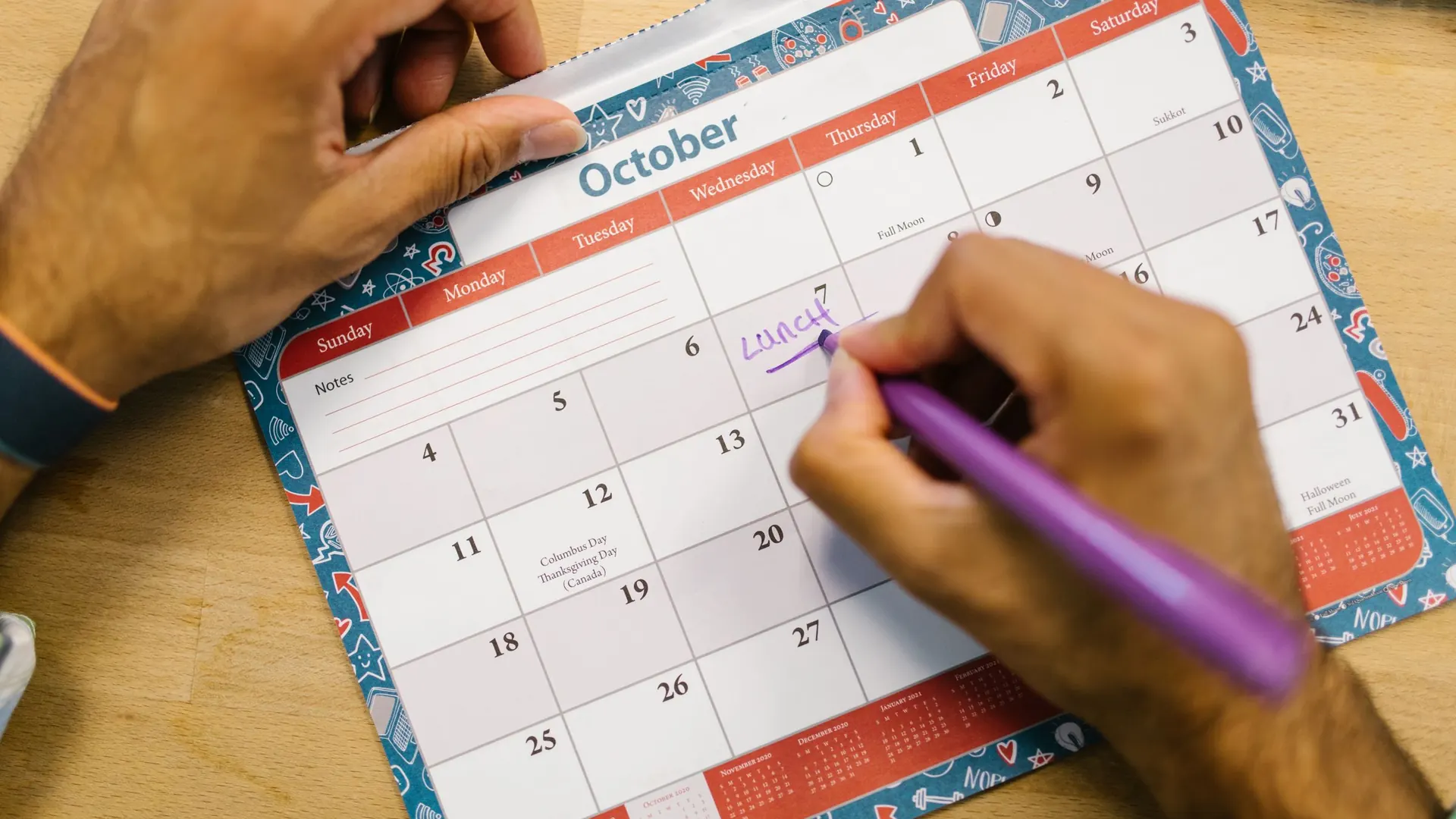
Imagine a window of dates on a calendar. Validity describes the window. Length of stay describes how many days you may spend inside it after you enter. The two numbers can be different, and the details of each depend on the visa that has been issued.
How the products are described on this website
Dubai-Visa.ae lists each option with a stay length, for example 14 days, 30 days or three months, along with an entry type and a processing estimate. The visa fees page shows all of them together.
The FAQ adds more detail. It explains that single entry visas allow you to enter once during the validity period, and that multiple entry visas let you enter and exit more than once within that validity, with each stay limited to the specified number of days. That is why entry type belongs in the same conversation. The article comparing single entry and multiple entry visas goes deeper.
If anything on a product page seems unclear, ask support before you apply rather than guessing.
Why people mix them up
There are a few common reasons.
- Product names are short. A label like "30 days" sounds like the answer to every date question, although it may describe only one of the two ideas.
- Planning starts from the holiday. Most people think in terms of how long they want to be away, not in terms of the window in which a visa may be used.
- Dates are written differently. Different countries format dates differently, which makes a quick glance unreliable.
How to read your e-visa step by step
When your e-visa arrives, spend a few minutes on it before you do anything else.
- Check your identity details. Name, date of birth and passport number should match your passport exactly.
- Find every date on the document. Write each one down along with its label.
- Identify which date describes the window of use and which describes the length of stay, as the document itself explains them.
- Compare with your flights. Does your arrival fall inside the window? Does your planned stay fit within the permitted number of days?
- Check your departure date. Make sure you leave on or before the last permitted day.
- Ask if anything is unclear. Email support with your reference number rather than interpreting an unfamiliar term yourself.
Build a buffer into your plans
Even when you understand the dates, it pays to leave margin. Consider these habits:
- Plan to leave at least a day before the final permitted day, not on it.
- If you arrive late at night, think about which calendar day your arrival is recorded on.
- If your flight home could be delayed, check how much slack your dates allow.
- For a trip with a return to Dubai, write down the dates of each stay separately.
What happens if you stay too long
The FAQ warns that overstaying results in daily fines and potential entry bans. It recommends planning your travel dates carefully and applying for the appropriate visa duration. That is the strongest argument for reading your dates carefully and building a buffer.
If you realize that you may need more time, the FAQ notes that tourist visas can be extended while you are in Dubai, that extensions must be requested before the current visa expires, and that you can contact support for assistance. Do not wait until the last day. Our guide to choosing between 30-day and extended stay options can help you choose a suitable length at the start.
Planning when your visa is not yet issued
If you are still deciding on a product, do these things first:
- Write down your intended arrival and departure dates.
- Allow extra days for delays in either direction.
- Compare the result with the stay length of each option.
- Check the entry type if you may leave and return.
- Leave time for processing, as described in our processing times guide.
Once you have settled these, you can begin your application.
A checklist for the day your e-visa arrives
- Name and passport number match the passport.
- Each date is recorded with its label.
- Your arrival falls within the window of use.
- Your stay fits within the permitted number of days.
- Your flights match the dates on the e-visa.
- A digital copy is saved and a printed copy is packed.
An illustration of the idea
To see how the two ideas differ, picture an e-visa that shows one pair of dates marking the period in which it can be used, and a separate statement of how many days you may remain. Your arrival needs to fall inside the first. Your stay then needs to fit within the second. If you arrive near the end of the usable window, you cannot assume you will still have the full number of days to enjoy, and you should read the document to see how it treats that case. The key habit is simple: never assume, and always read.
Dates, tickets and time zones
Flight tickets and e-visas are written by different systems, and small differences in how a date is shown are common. Compare the calendar date on your ticket with the date on your e-visa, remembering that a flight departing late in the evening may land on the following day. If your journey crosses several time zones, think about which calendar day you will actually be in Dubai.
Keeping track of multiple entries
If your visa allows more than one entry, keep a running record of each visit. Write down the date you arrive, the date you plan to leave, and the stay limit shown for the product. That simple tally prevents the common error of planning a second stay without checking whether it still fits the rules on your document.
Final thoughts
Validity tells you when a visa can be used. Length of stay tells you how long you may remain. Keeping those ideas separate, reading your e-visa carefully, and leaving a buffer will prevent most date-related problems. For more on what happens when the document arrives, see our guide to what happens after you apply, and visit the FAQ for quick answers. More planning guides are available on the blog.